2026 Letitia Woods Brown Book Prize, Association of Black Women Historians • August 2026 Must-Read Books, Ebony Magazine •Brooklyn Public Library Favorite Books • 2026 Book Award Finalist: Association for the Study of African American Life & History (ASALH) • 2026 Book Award Finalist: Prose Award, Association of American Publishers (Biography & Autobiography)

#SayHerName: The story of Eleanor Bumpurs, told for the first time by decorated historian and Bumpurs’s former neighbor LaShawn Harris
On October 29, 1984, 66-year-old beloved Black disabled grandmother Eleanor Bumpurs was murdered in her own home. A public housing tenant 4 months behind on rent, Ms. Bumpurs was facing eviction when white NYPD officer Stephen Sullivan shot her twice with a 12-gauge shotgun. LaShawn Harris, 10 years old at the time, felt the aftershocks of the tragedy in her community well beyond the four walls of her home across the street.
Now an award-winning historian, Harris uses eyewitness accounts, legal documents, civil rights pamphlets, and more to look through the lens of her childhood neighbor’s life and death. She renders in a new light the history of anti-Black police violence and of the watershed anti-policing movement Eleanor Bumpurs’s murder birthed.
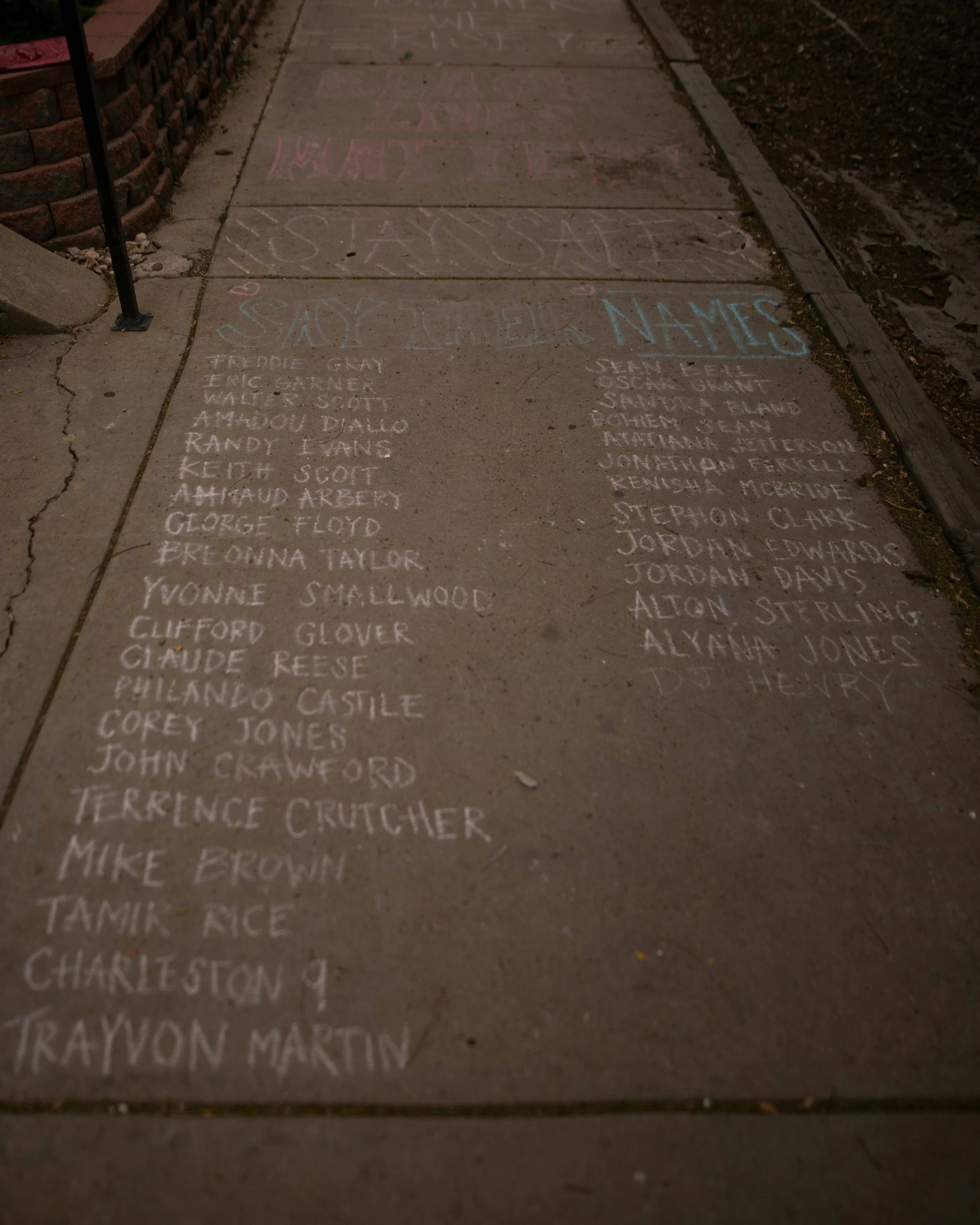
So many Black women’s lives have been stolen since—Deborah Danner, Sandra Bland, Breonna Taylor, Sonya Massey—and still more are on the line. This deeply researched, intimate portrait of Eleanor Bumpurs’s life and legacy highlights how one Black grandmother’s brutal police murder galvanized an entire city. It also shows how possible and critical it is to stand together against racist policing now.
Praise for Tell Her Story
“A powerful and poignant rescuing of the life and tragic murder of Eleanor Bumpurs . . . will both haunt and inspire. . . . Her searing narrative reminds us that this nation’s too-regular and brutal police killings of Black women have always been met by extraordinary family and community mobilization, and the demand for justice.”
“With meticulous research and expansive compassion, Harris tells, not only of Bumpurs’ life, but her legacy, advanced in no small part by Bumpurs’ daughter Mary who, like generations of daughters and mothers, was thrust into activism when injustice came to her family’s door.”
“ [An] immersive account . . . With a kaleidoscopic view of the shooting’s aftermath that draws on interviews, court proceedings, and national and international reactions, Harris paints the killing as a major turning point in American political consciousness, when Black activists and the public began to question police treatment of the disabled and mentally ill. The result is an elegantly written and riveting view of a pivotal but little-remembered political sea change.”
“A gripping historical rendition of the tumultuous transition from the hope of the civil rights era to the misguided projections of a presumed post-racial Obama era . . . It is an absolute must-read.”